Contentsexpand_more
- What is a Canker Sore? Fundamental Differences from Cold Sores
- What Causes Canker Sores in the Mouth? Triggering Factors
- Vitamin and Mineral Deficiencies
- Mechanical Traumas and Tooth Structure
- Immune System and Chronic Stress
- What is Good for Canker Sores? At-Home Solutions
- How Are Canker Sores Treated Professionally?
- What Do Frequent Canker Sores Indicate?
- Preventive Measures to Avoid Canker Sores
- FAQ: Frequently Asked Questions
- How many days does it take for a canker sore to heal?
- What vitamin deficiency causes canker sores in the mouth?
- What is the difference between a canker sore and a cold sore?
- Does the choice of toothpaste affect canker sore formation?
Oral health is one of the most vital indicators of overall body health and daily life comfort. The delicate tissue of the oral mucosa reacts extremely quickly to external stimuli and internal changes within the body. One of the most annoying and painful results of these reactions is undoubtedly the formation of canker sores in the mouth. That small, stinging sensitivity you feel on the inside of your cheek or on the edge of your tongue when you wake up in the morning can quickly turn into a source of constant pain that prevents you from eating and speaking comfortably.
Canker sore lesions can sometimes be merely the result of local tissue trauma, while at other times they can be the harbinger of a deeper problem in the body’s internal balance. For this reason, knowing the structural features of the sore and seeking professional support at the right time is the safest way to protect your oral health.
What is a Canker Sore? Fundamental Differences from Cold Sores
Among the public, every sore that appears inside or around the mouth is prone to being confused with one another. At this point, the most common misconception is evaluating canker sores in the mouth in the same way as cold sore lesions. However, these two ailments belong to completely different categories in terms of both their root causes and their tissue structures.
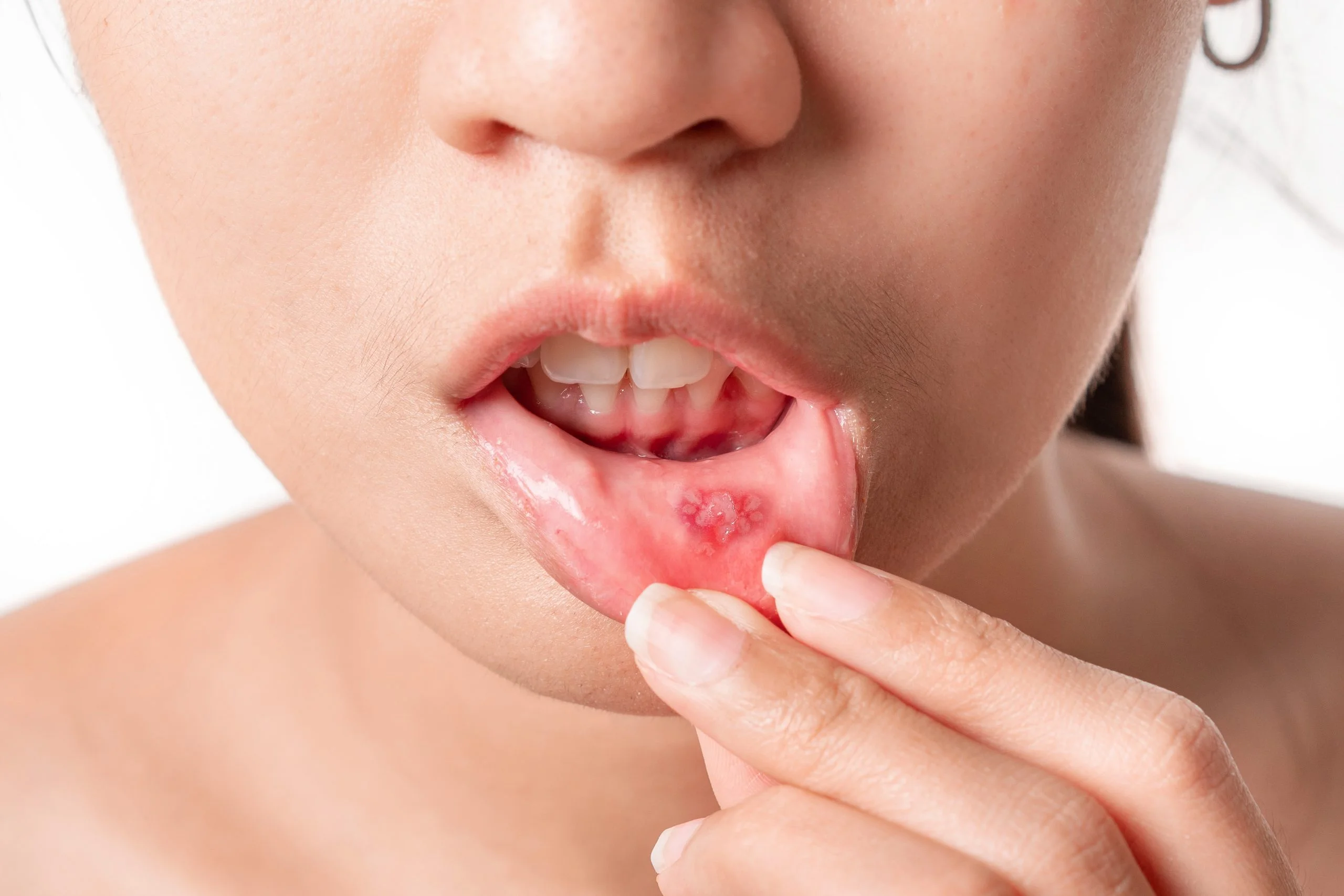
A canker sore, medically known as an aphthous ulcer, occurs only in the soft tissues and movable mucosa inside the mouth. It settles on the gums, on the tongue, or inside the cheeks and lips, and it is strictly non-contagious. On the other hand, a cold sore is caused by a virus called Herpes Simplex and usually appears on hard tissues outside the mouth, such as the lip line or around the nose. A cold sore starts as fluid-filled blisters, is highly contagious, and can spread easily through close contact. Correctly defining the sore inside the mouth is the first step in finding the right answer to how to cure canker sores.
What Causes Canker Sores in the Mouth? Triggering Factors
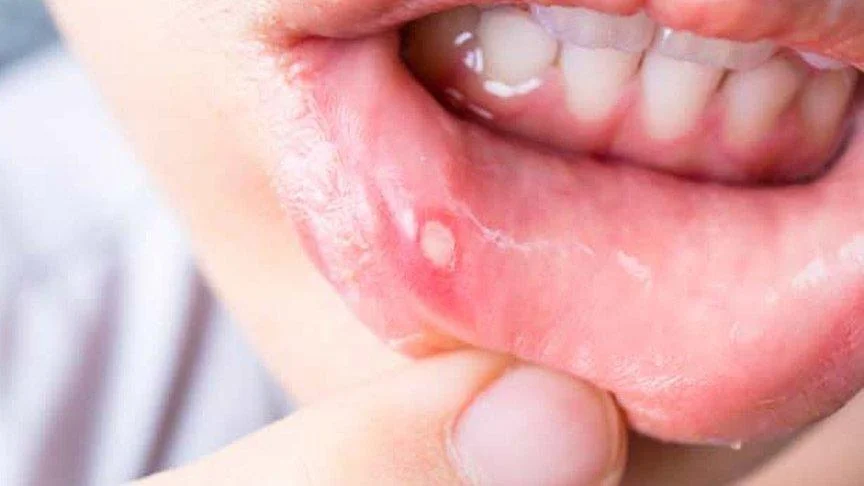
One of the issues patients wonder about the most is what causes canker sores in the mouth. Rather than a single specific cause, multiple triggering elements that disrupt the balance of the oral environment pave the way for the formation of these sores. The causes of canker sores span a wide spectrum, from personal habits to systemic conditions.
Vitamin and Mineral Deficiencies
The body needs specific micronutrients to renew the mucosal layer and keep it healthy. The clinical answer to the question of which vitamin deficiency causes canker sores is quite clear.
In particular, a deficiency in vitamin B12, iron, folic acid, and zinc can weaken the defense mechanism of intraoral tissues. When cell regeneration slows down, the mucosal layer thins, and open sores can begin to form even with the slightest impact. For people who experience this problem chronically, checking their blood values is highly important in this regard.
Mechanical Traumas and Tooth Structure
The tissues inside the mouth are extremely delicate. Biting the cheek while eating a hard bread crust, the toothbrush slipping and hitting the gum during rapid brushing, or a broken filling constantly rubbing against the tongue are examples of mechanical traumas.
In addition to these, there is a frequently encountered situation in orthodontic treatments. So, how are canker sores caused by braces treated? The sharp edges of braces or brackets can cause friction-related sores because they are in constant contact with the mucosa when they are first fitted. In this case, special orthodontic waxes applied on top of the braces reduce friction, protecting the tissue.
Immune System and Chronic Stress
Periods when the immune system weakens are the favorite times for canker sores. A busy work pace, insomnia, and chronic stress suppress the defense system by increasing cortisol levels in the body. This suppression can cause even harmless bacteria inside the mouth to create tissue damage.
So, how do you prevent mouth sores caused by stress, which is a part of daily life? The main key here is to pay attention to sleep patterns, adopt nutritional habits that will keep the immunity strong, and ensure stress management. When body resistance drops, the intraoral mucosa is left defenseless as well.
What is Good for Canker Sores? At-Home Solutions
When a canker sore develops, many people search for what is good for canker sores in the mouth before contacting a clinic. Some practical and natural applications that can be done in the home environment can be supportive in alleviating that sharp pain and reducing inflammation.
Among the methods for how to get rid of canker sores at home, the safest one is lukewarm salt water rinses. Half a teaspoon of salt added to a glass of lukewarm water helps reduce the swelling in the area where the sore is located. Additionally, gentle rinses made with baking soda water also make it difficult for bacteria to multiply by regulating the intraoral acid balance.
Applying fresh strained honey directly onto the sore can also soothe the tissue thanks to its natural antimicrobial properties. However, it should be known that these methods provide only temporary comfort and do not completely eliminate the root cause beneath the sore. Furthermore, applying acidic substances (such as lemon or vinegar) directly onto the sore based on hearsay can burn the tissue further, leading to chemical irritation.
How Are Canker Sores Treated Professionally?
If the pain does not alleviate despite trials at home, or if there is a case of persistent canker sores in the mouth, a professional mouth sore treatment plan must be made. Developing dental technologies allow patients to get through this process in a much shorter time.
Low-dose laser application (biostimulation) can relieve the patient from pain within seconds by gently blocking the nerve endings in the area where the sore is located. Laser beams stimulate the cell metabolism in the region, increasing the healing speed of the tissue by almost twofold.
In advanced cases, special oral medications and topical ointments containing corticosteroids, which do not dissolve with saliva inside the mouth, are prescribed under physician control. These creams block the mechanical friction pain that occurs while eating by covering the sore like a protective layer.
What Do Frequent Canker Sores Indicate?
A canker sore appearing once or twice a year is generally considered normal and does not cause concern. However, the continuous recurrence of canker sores in the mouth, or a new one popping up right next to an old one before it even heals, shows that the issue is not just a simple intraoral irritation.
Chronic and recurrent canker sores can be among the first and most prominent symptoms of some systemic and autoimmune diseases:
- Behçet’s Disease: It is a systemic ailment characterized by recurrent sores inside the mouth, as well as lesions in the eye and genital area.
- Celiac Disease and Gluten Sensitivity: Absorption disorders in the digestive system directly hit oral health by preventing vitamins from being taken into the body.
- Crohn’s and Ulcerative Colitis: Inflammatory bowel diseases can cause frequent lesions to erupt inside the mouth by disrupting mucosal integrity.
In such cases, it is recommended that the patient undergo a general health screening by displaying a multidisciplinary approach alongside dental treatments.
Preventive Measures to Avoid Canker Sores
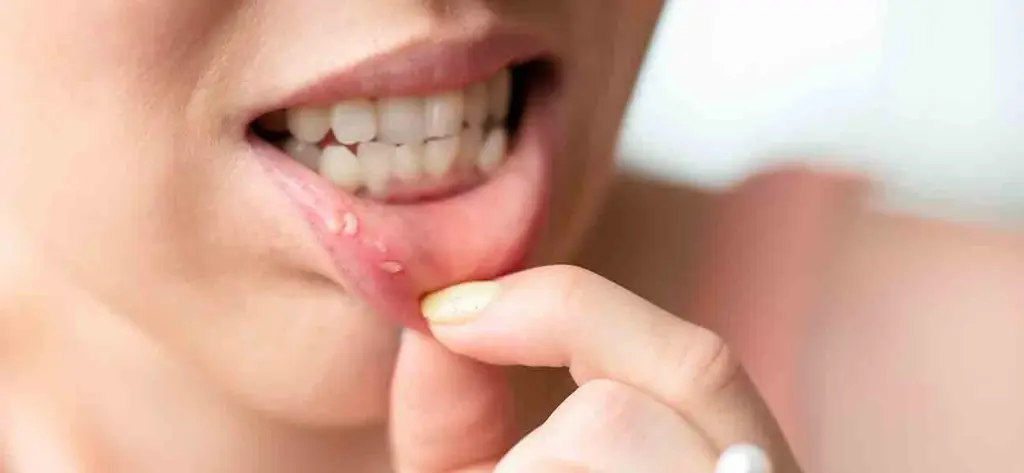
A more permanent solution than treating the sores is creating an oral environment that will prevent them from forming at all. By making small changes in your daily routines, you can create a protective shield before searching for remedies for canker sores.
First, you should pay attention to the ingredients of the toothpaste you use. Sodium Lauryl Sulfate (SLS), which is used in many commercial toothpastes to provide foaming, can make the tissue open to canker sore formation by thinning the protective layer on the mucosa. Switching to products with more natural formulas that do not contain SLS can be protective.
In addition, soft-bristled toothpastes should be preferred instead of hard-bristled ones, and gentle movements should be applied without rushing during brushing. Adding green leafy vegetables rich in antioxidants to the nutrition routine and preventing dry mouth by consuming a sufficient amount of water every day can also keep the tissues moist and resilient.
| Method Type | Duration of Effect | Advantage | Is It a Permanent Solution? |
| Laser Biostimulation | Stops pain within seconds | Cuts healing time in half | Definitive solution for the current sore |
| Corticosteroid Ointment | Relieves within 1 - 2 days | Physically protects the sore from external factors | Provides temporary relief |
| At-Home Salt Water Rinse | Reduces instant swelling | Economical and easily accessible | Only alleviates symptoms |
FAQ: Frequently Asked Questions
How many days does it take for a canker sore to heal?
Standard minor canker sores that do not receive any intervention usually heal on their own within 7 to 10 days without leaving a scar. However, this period can be reduced down to 2 - 3 days with laser or special medical drug applications.
What vitamin deficiency causes canker sores in the mouth?
Canker sore formation is most frequently caused by deficiencies in vitamin B12, iron, folic acid (B9), and zinc. Low levels of these elements in the body lay the groundwork for the protective mucosal tissue inside the mouth to weaken.
What is the difference between a canker sore and a cold sore?
Canker sores are non-contagious, white/yellowish open sores that appear only in the soft tissues inside the mouth. Cold sores, however, are highly contagious lesions caused by viruses that appear outside the mouth around the lips, starting as fluid-filled blisters.
Does the choice of toothpaste affect canker sore formation?
Yes, it can directly affect it. Sodium Lauryl Sulfate (SLS), which provides foaming in pastes, can increase the frequency of canker sores by irritating the sensitive mucosa inside the mouth. People who get frequent canker sores are recommended to prefer SLS-free toothpastes.